Module 3 Formstorming

Weekly Activity Template

Celine Heidie Hermanto


Project 3


Module 3

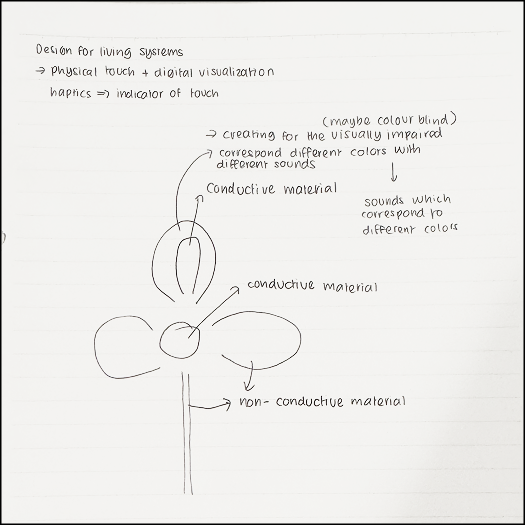
The project examines and explores physical interaction in a virtual environment encompassing contextual and technical research surrounding diegetic sounds to examine how a tactile tool can help visually impaired users (colourblind) can experience colour through auditory and creatively designed visual input. The final deliverable for the project includes a crochet flower with conductive buttons which showcase different colours when different corresponding petals are pressed.

Activity 1
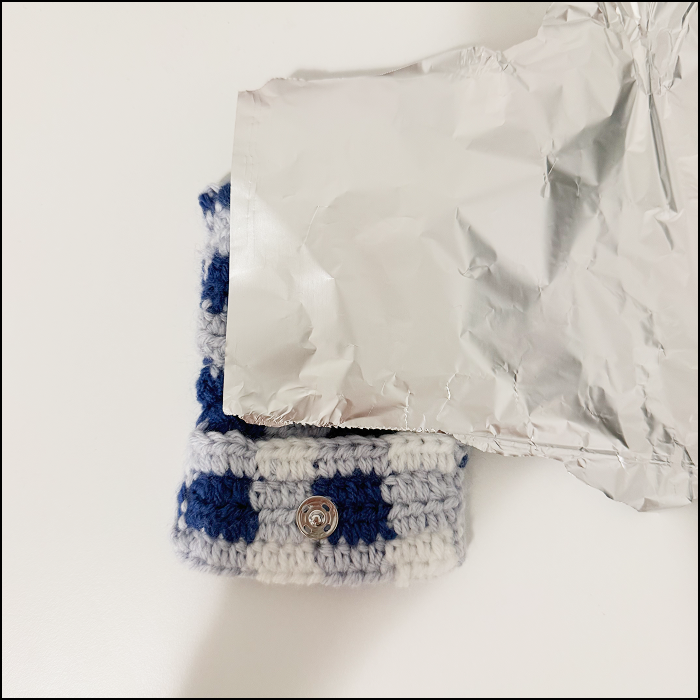
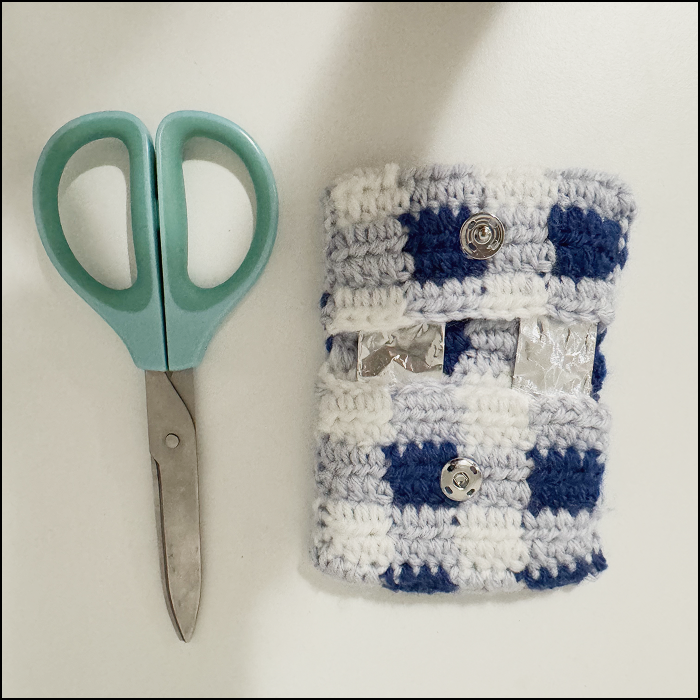
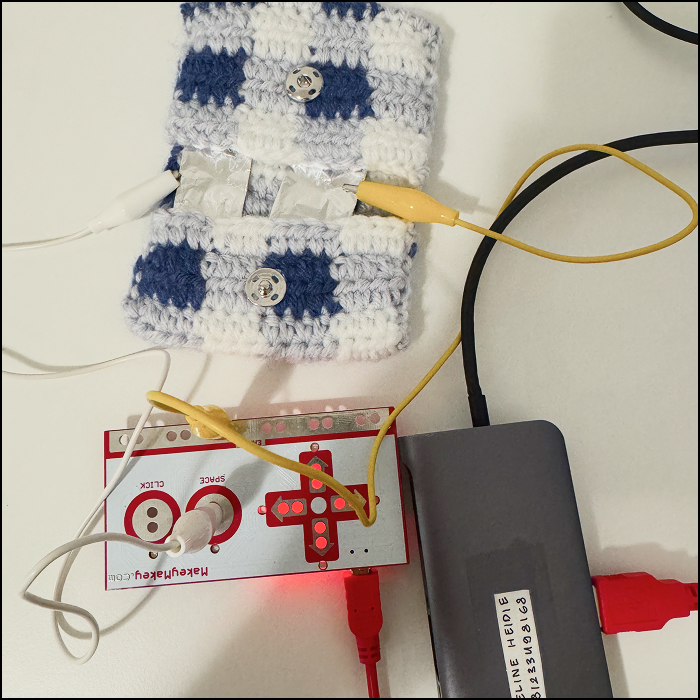
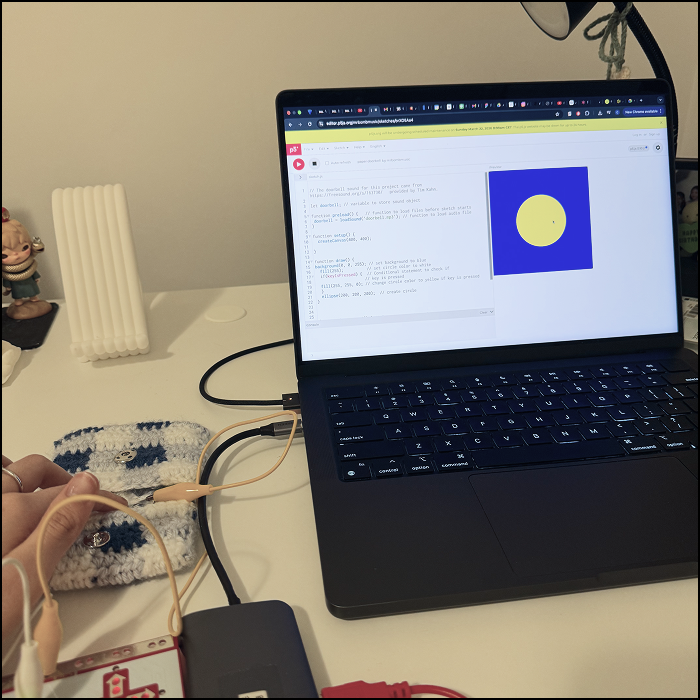
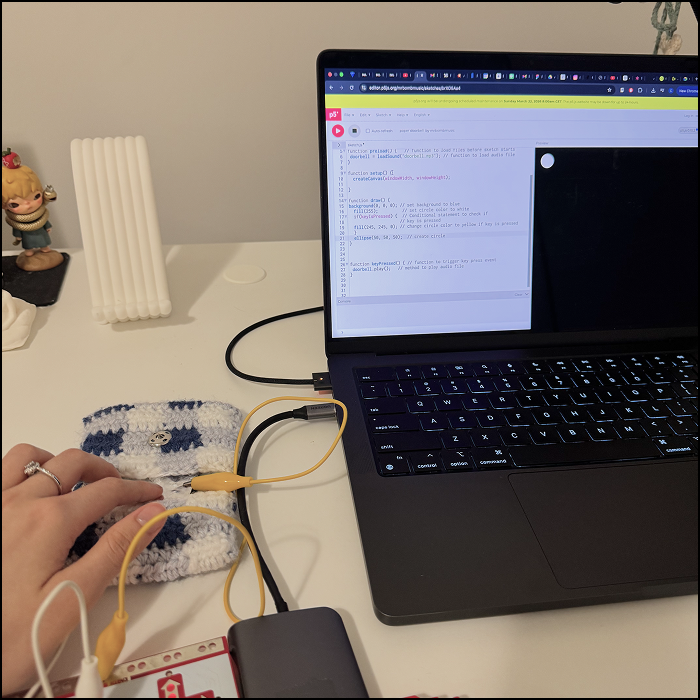
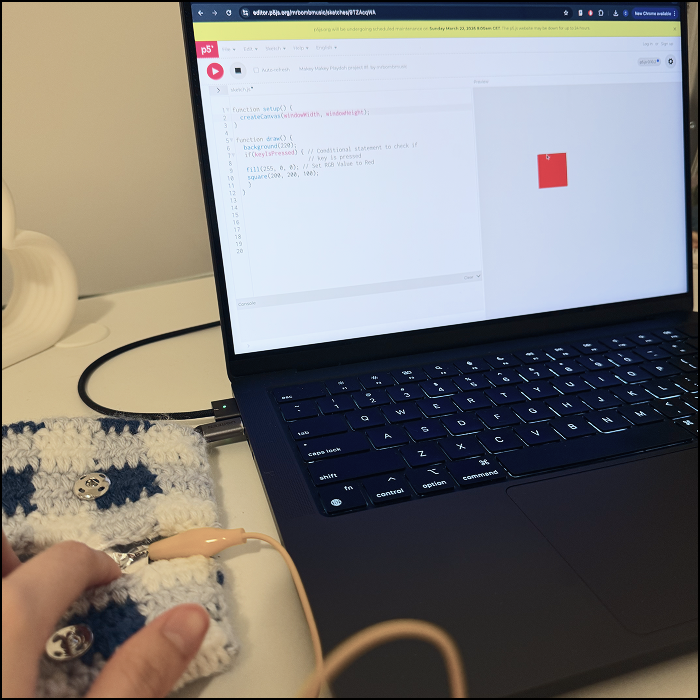
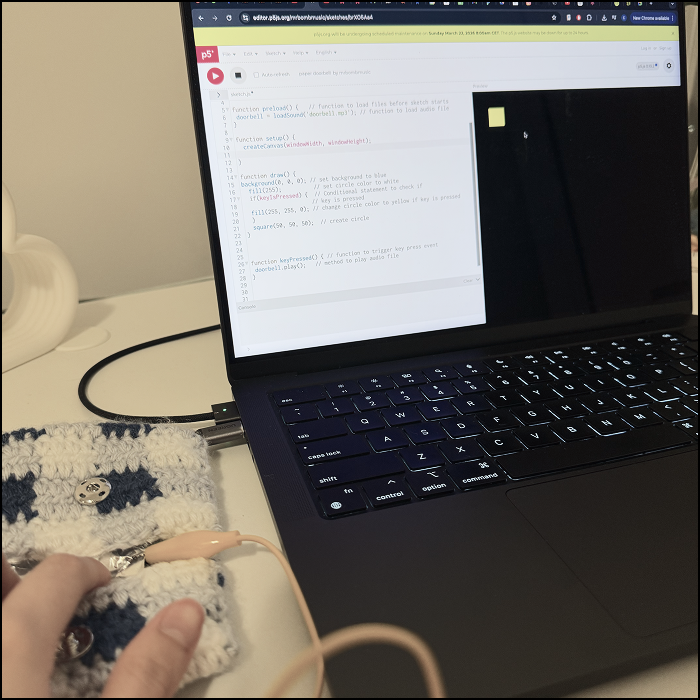
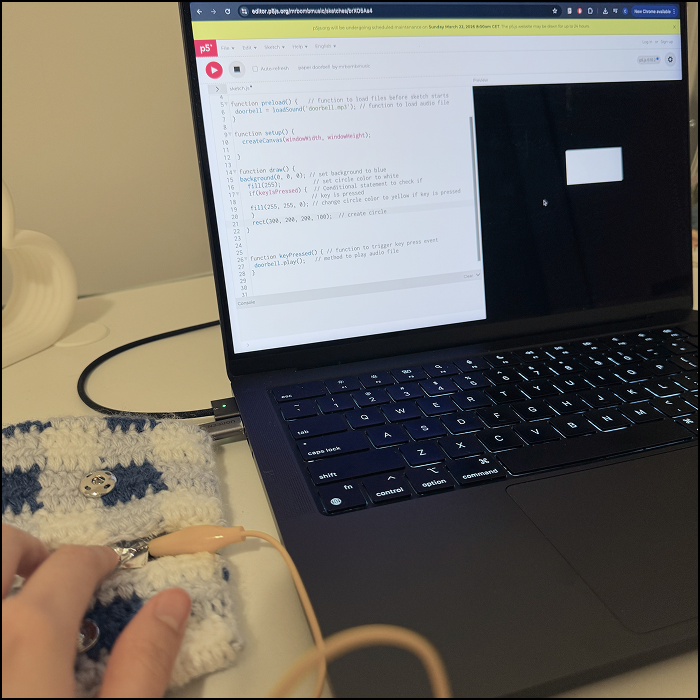
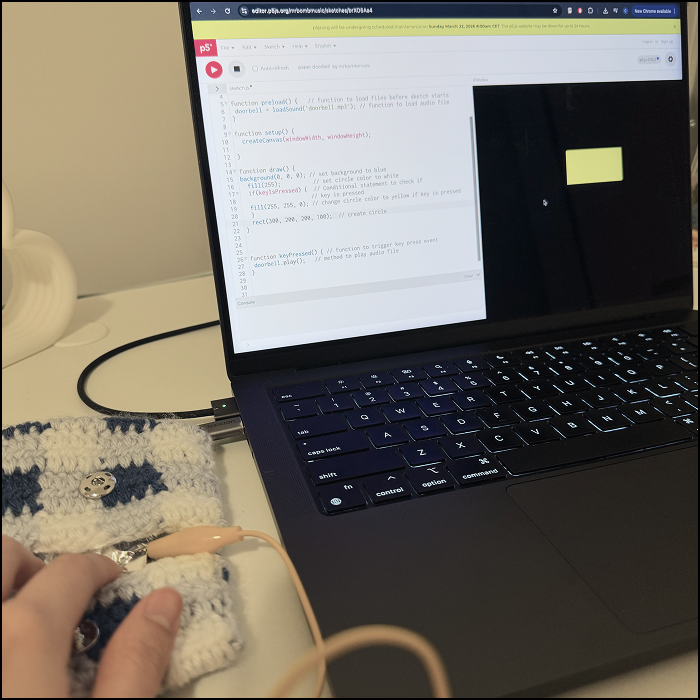
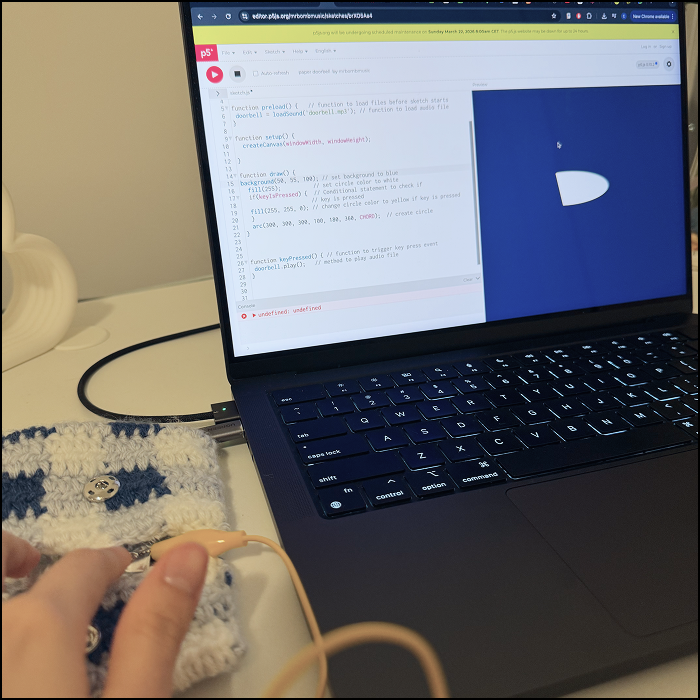
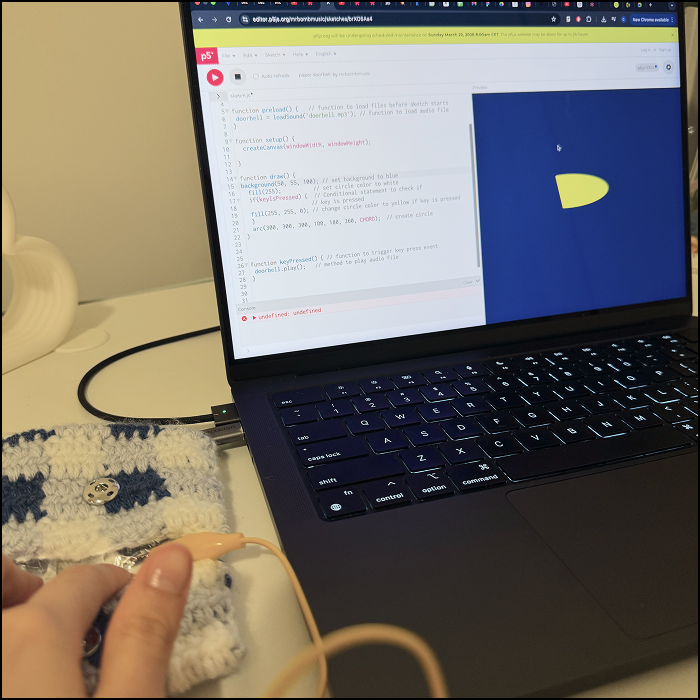
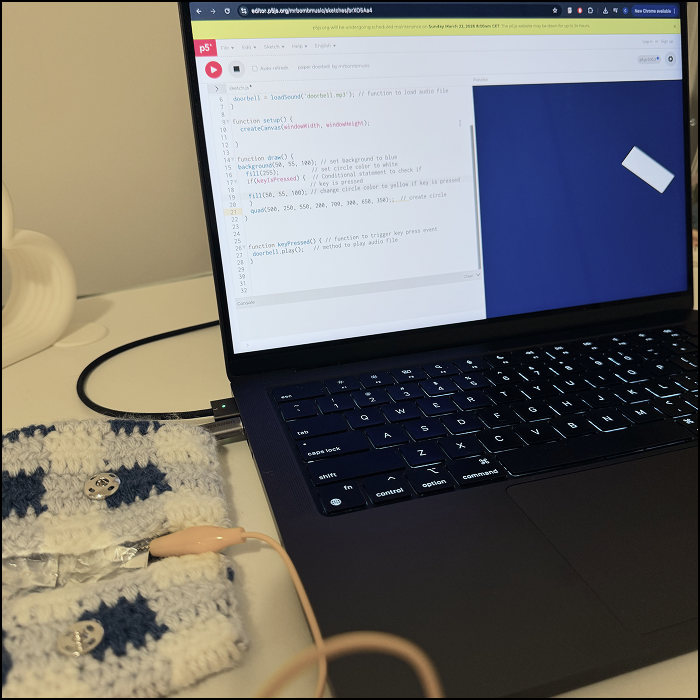
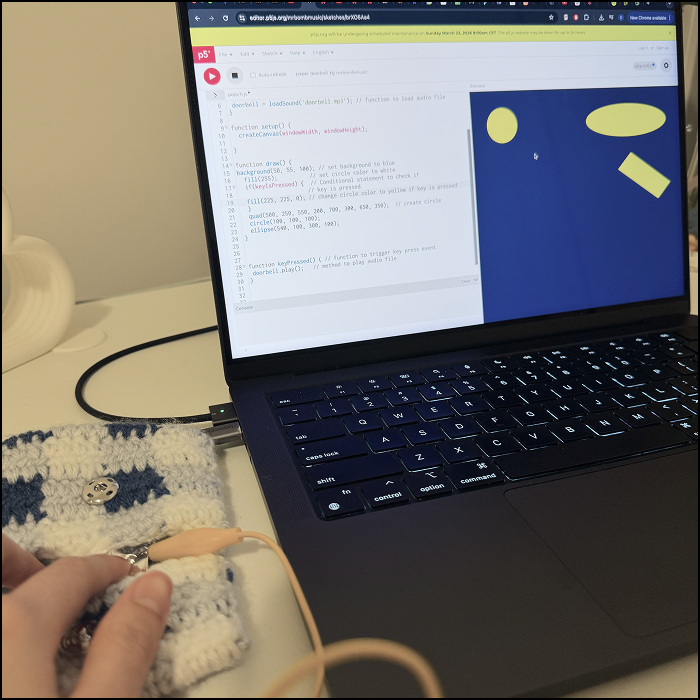
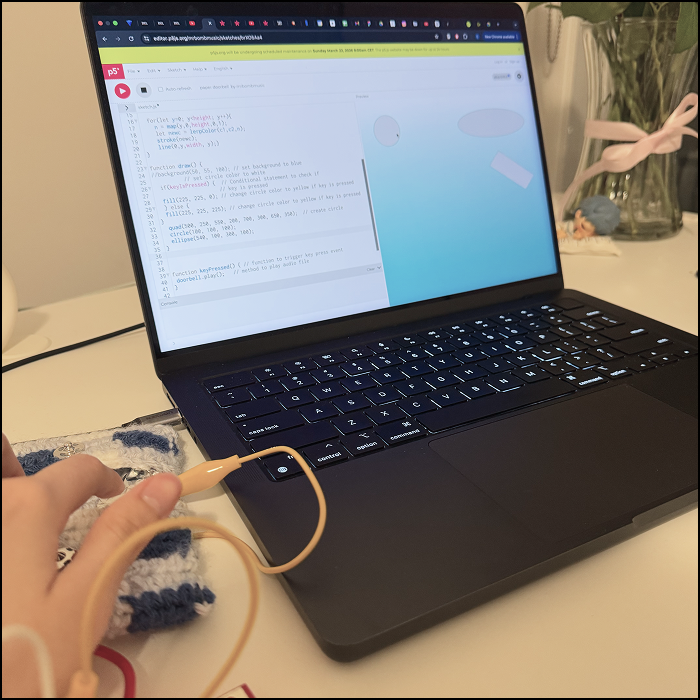
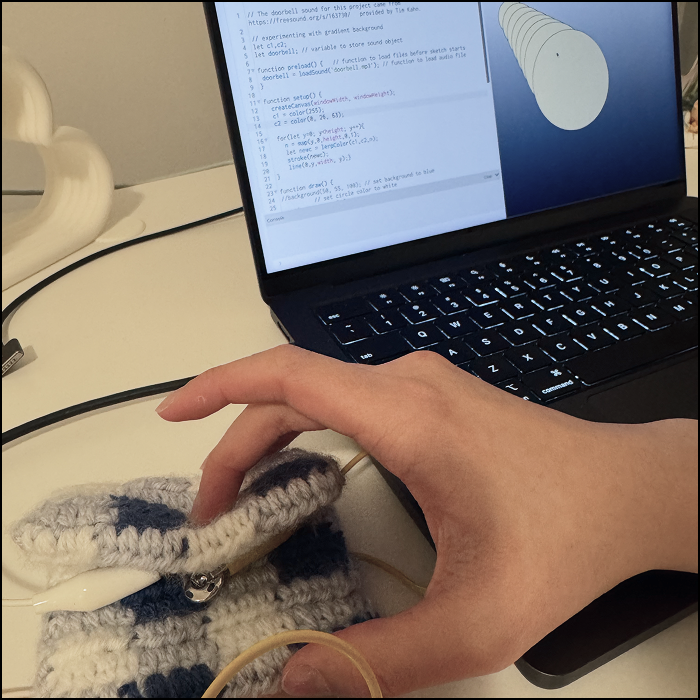
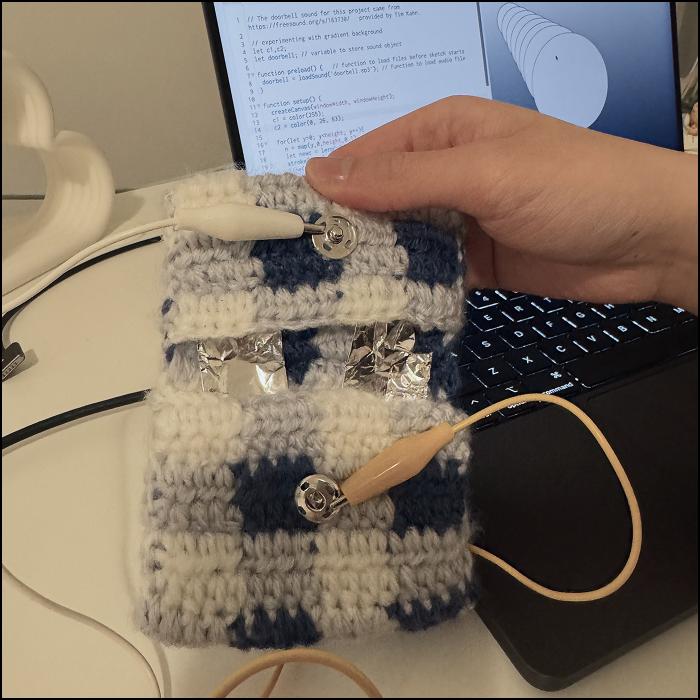
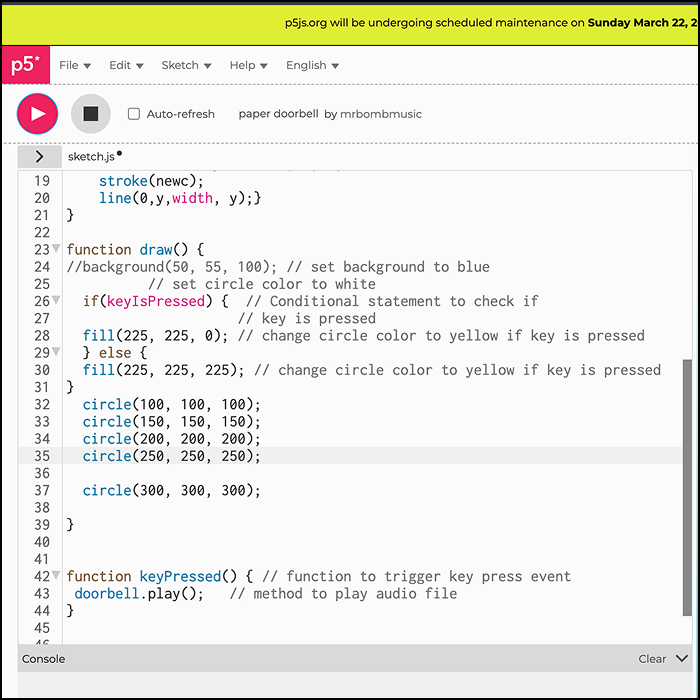
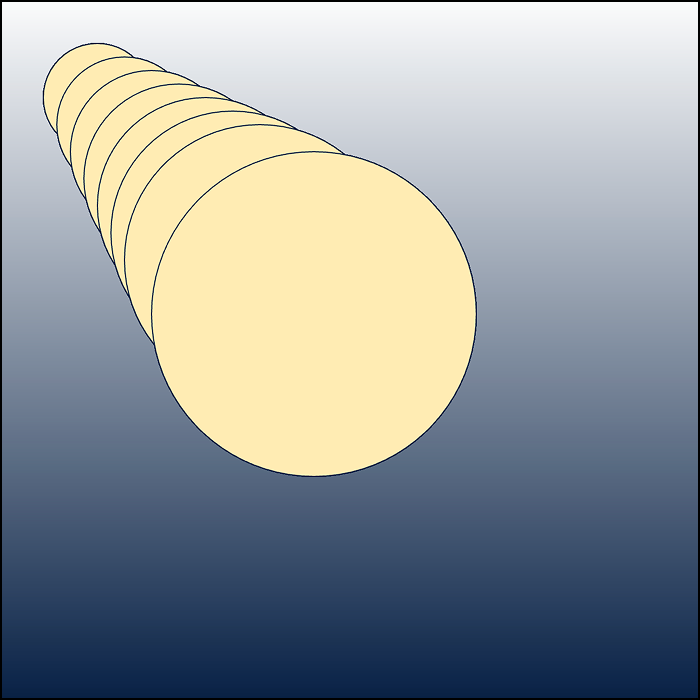
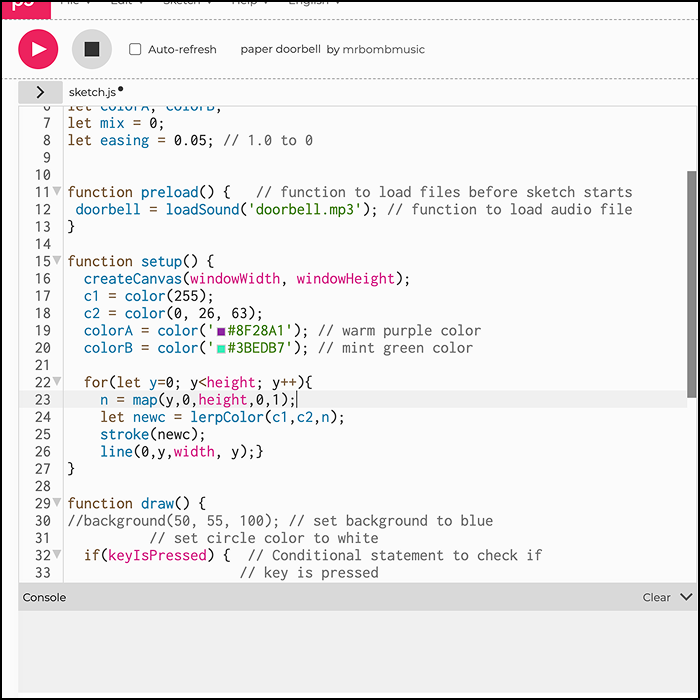
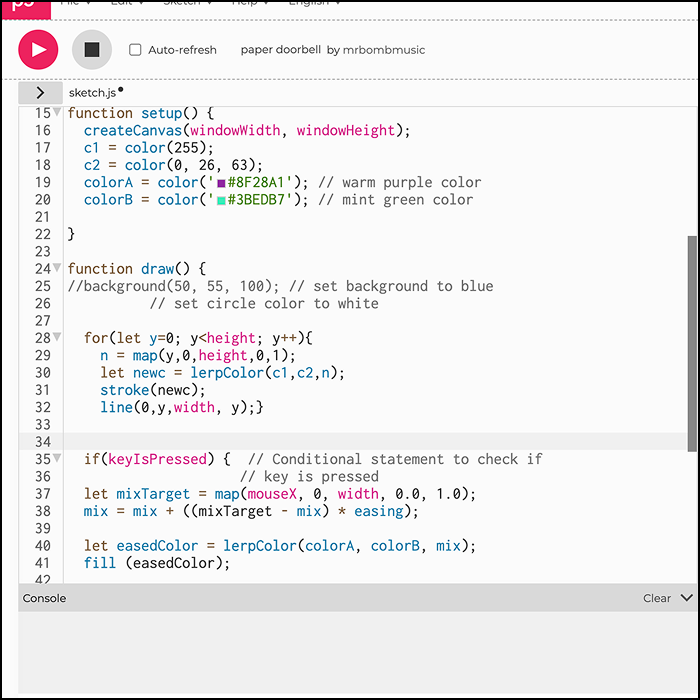
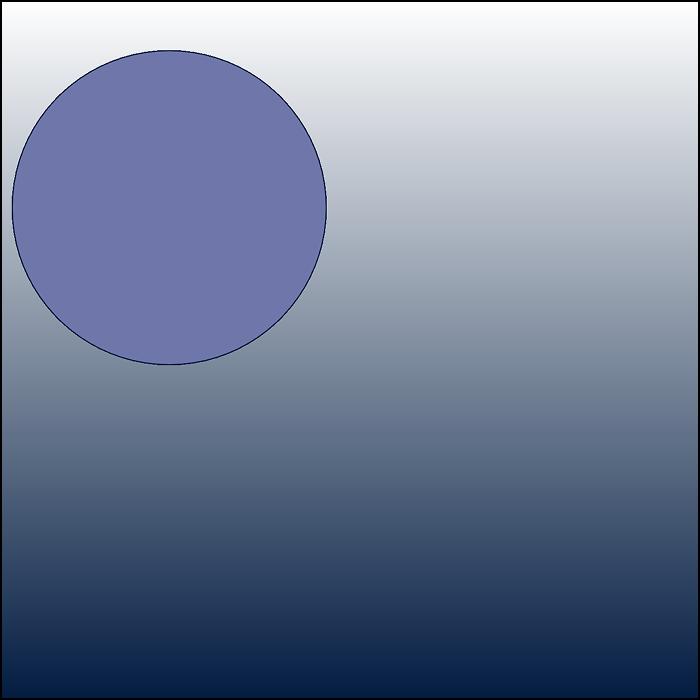
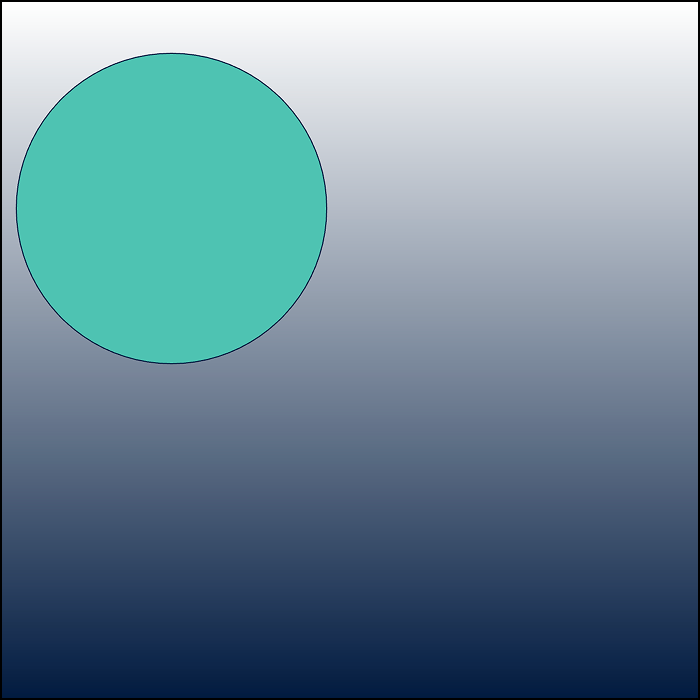
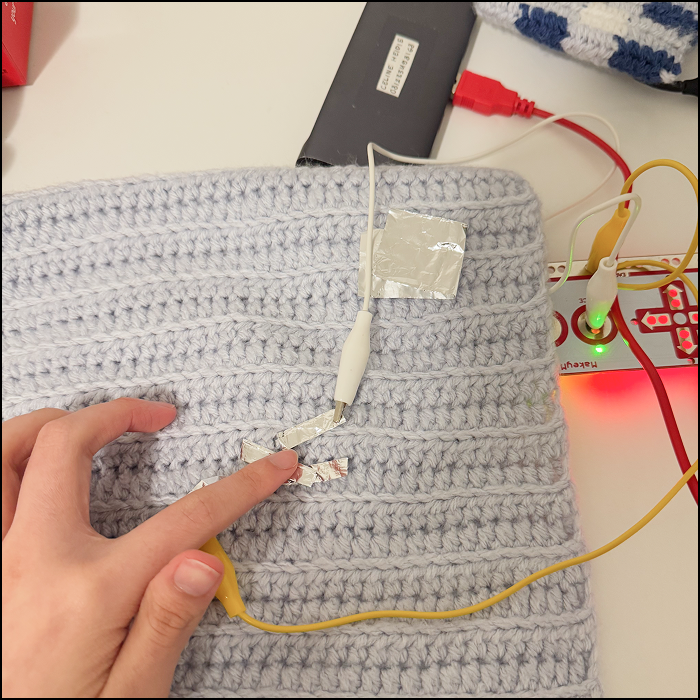
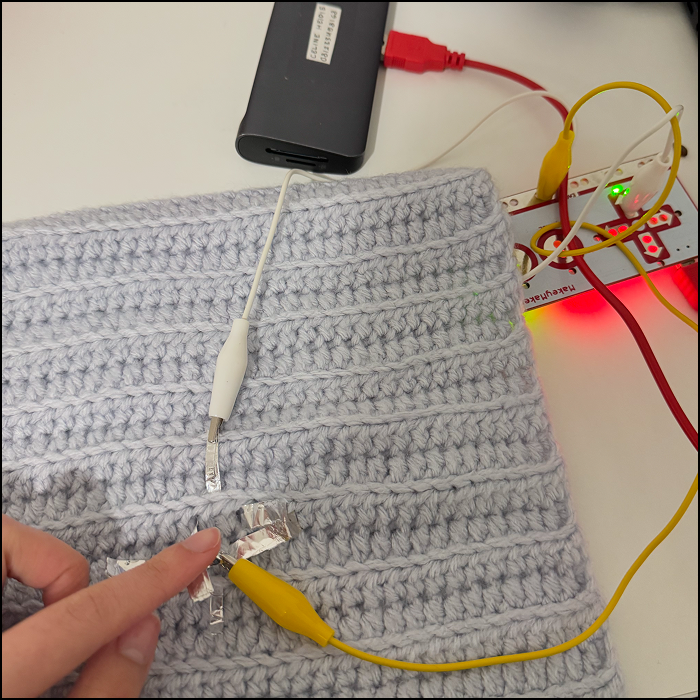
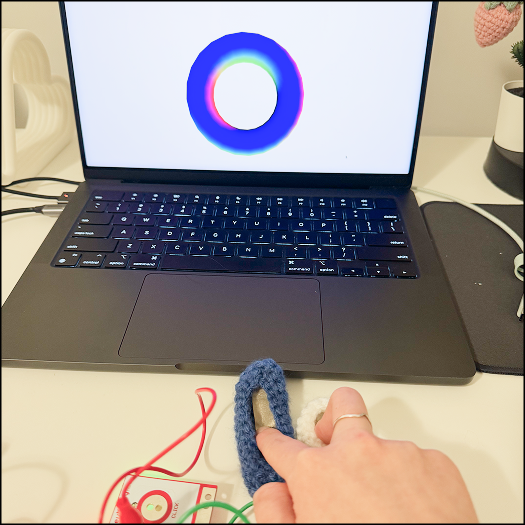
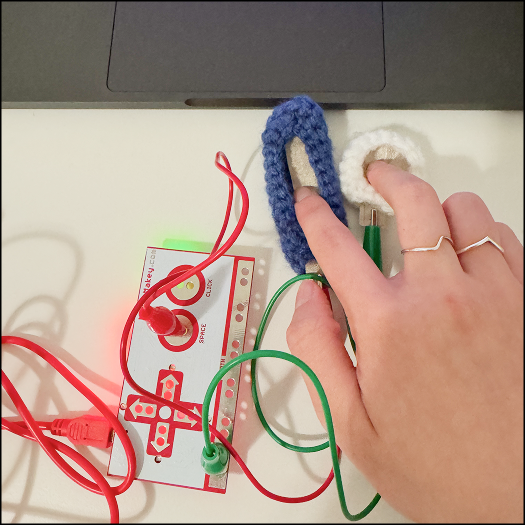
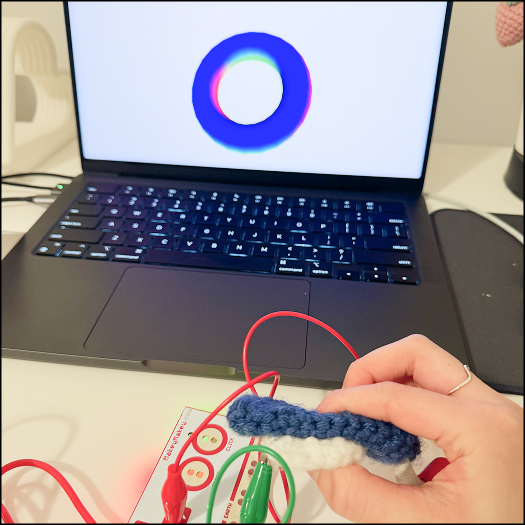
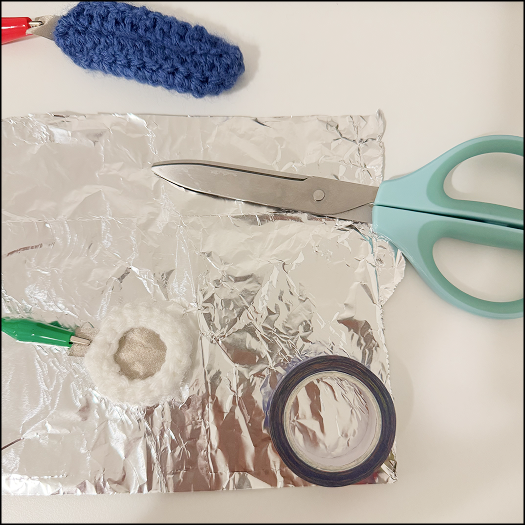
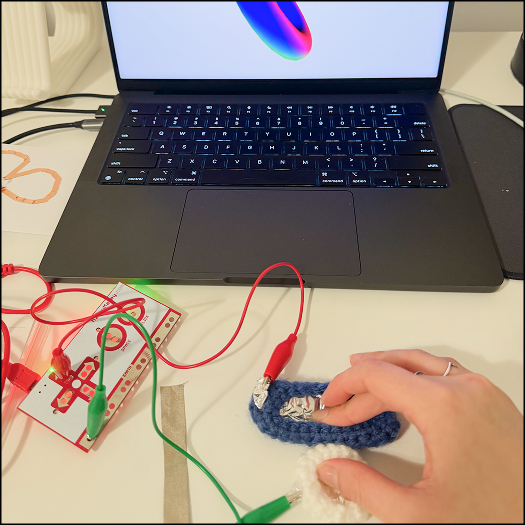
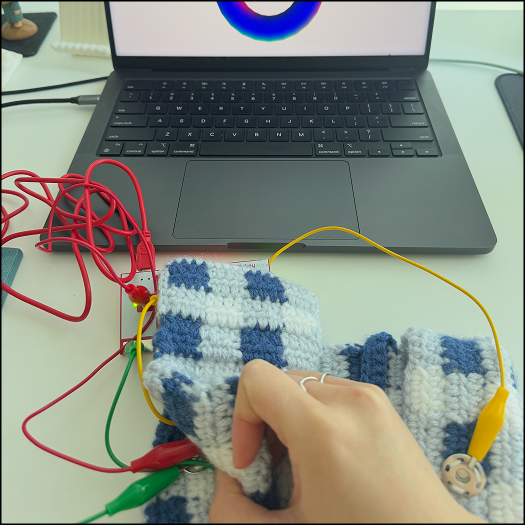
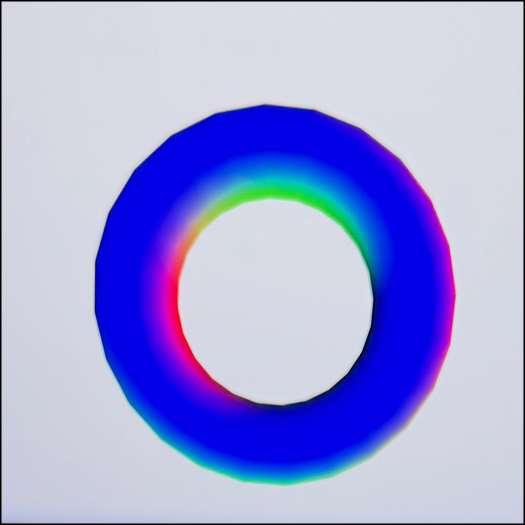
Planning setup with aluminium foil as the conductive material and crochet pouch as the non-conductive material Aluminium foil folded and tucked into pouch to only show a section of the conductive material. Connecting experiment setup with the Makey-makey and computer with USBC adaptor. Testing code based on tutorial https://www.youtube.com/watch?v=5sUxRZn8c2k from slide 29 of week 10 lecture content. Experimenting with the size of the shape created. Experimenting by changing the shape of the ellipse into a square Experimenting by changing the colour of the background and square when activated Experimenting by changing the shape of the object into a rectangle What the rectagle looks like when activated Learning how to make organic shapes in p5.js What the shape looks like when it is activated Attempting to affect the rotation of the object and the code required for it PLacing more shapes and seeing how different triggers could activate just one or all the shapes together Learning how to create gradients with p5.js, modifying colours and using different variables Creating an interesting effect by positioning multiple ellipses on top of each other and all slightly skewed Showing the small object used to test the code, the aluminium foil and 2 grommets are conductive wrapped around a non conductive tool, meaning they all act as 4 trigger points Code shown of different ellipses stacked together and the parameters modified to do this Position of circles and different sizes creates an interesting effect when they are selectively triggered and when everything is triggered altogether Code shown on how to make the gradient background using lerp() as the range of parameters Code of different colours triggered when different triggers are pressed, an automatic colour changing gradient When circle colour is purple When circle is blue and in the middle ground When circle is green and finished changing colours, looping back to he middle ground and then purple Testing the application of different buttons interating together made of aluminium foil folding in The short foils revealed a problem, its difficult finding a place for the buttons to latch on to while simultaneously folding in

Activity 2
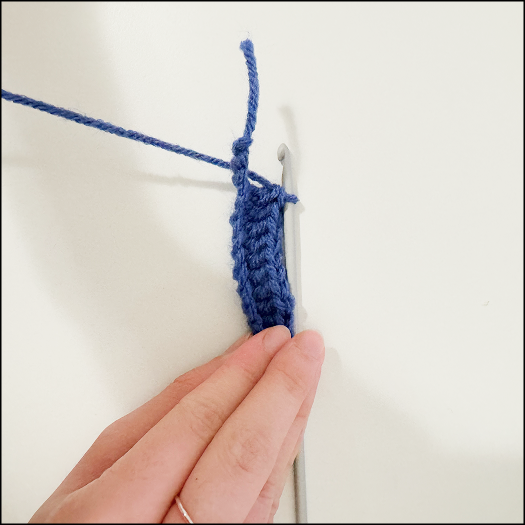
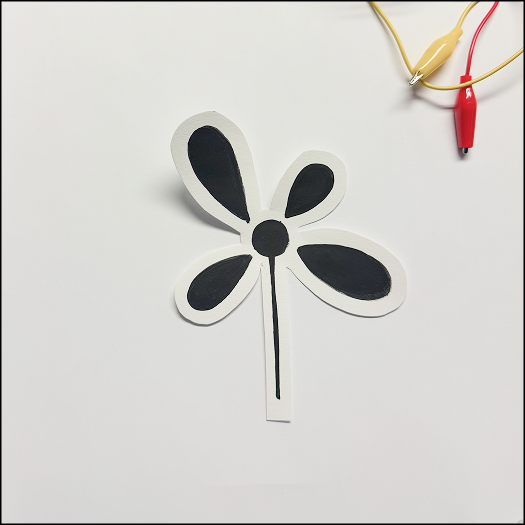
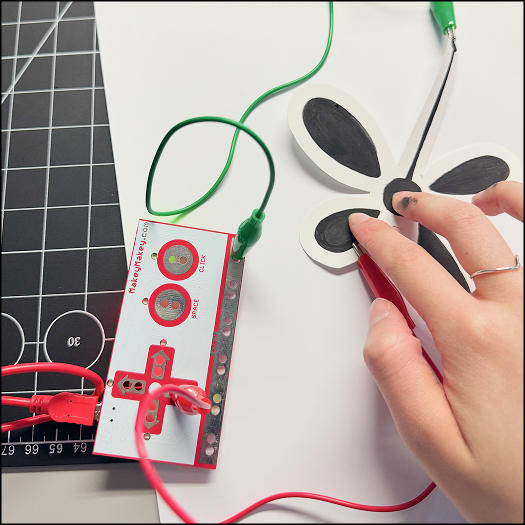
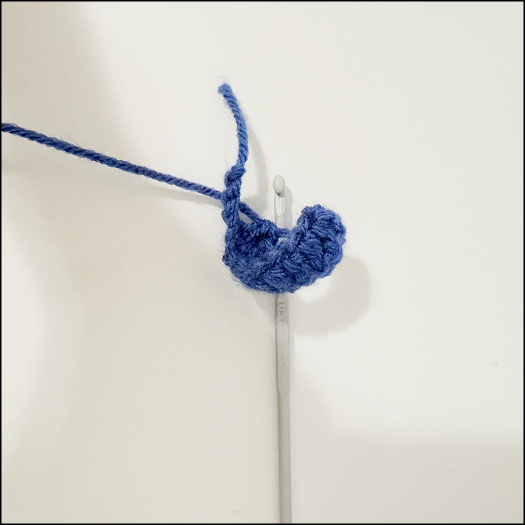
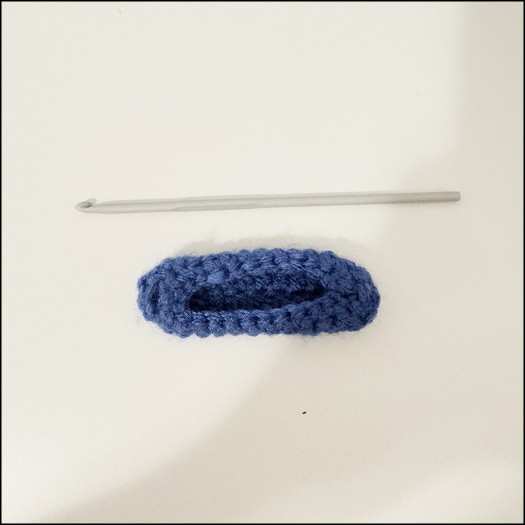
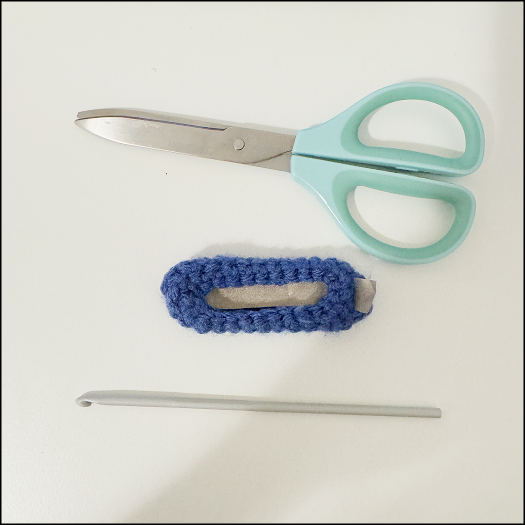
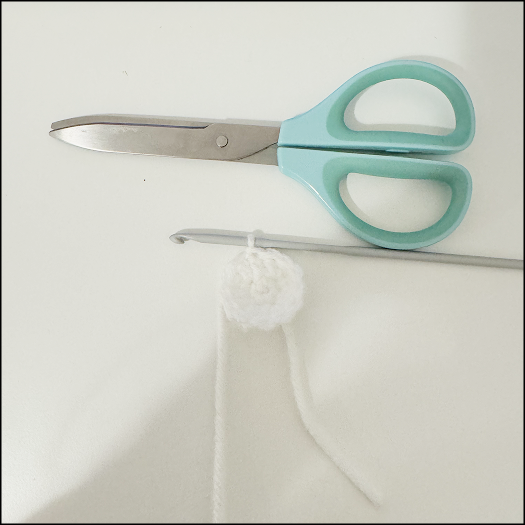
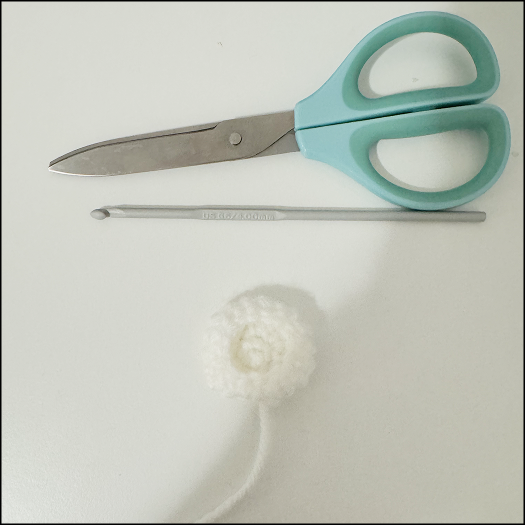
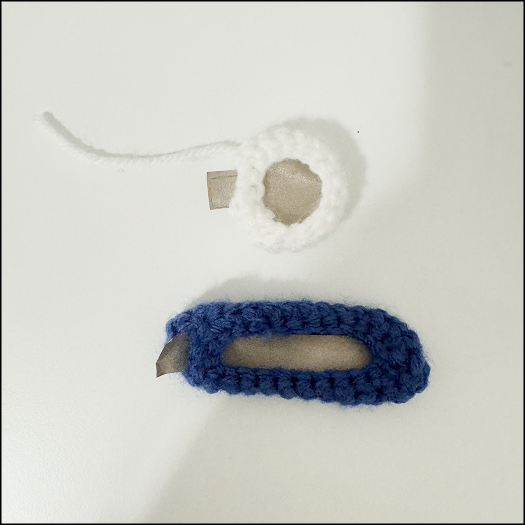
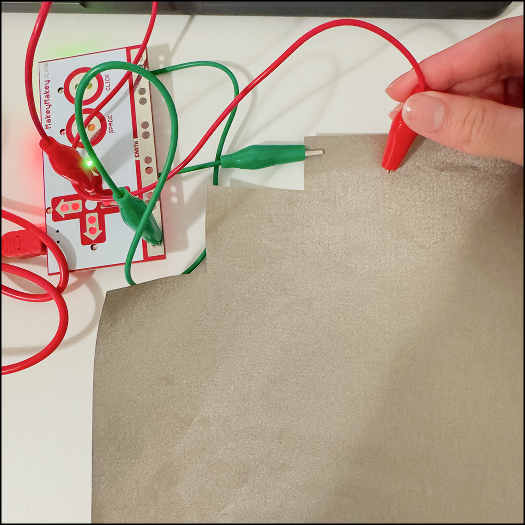
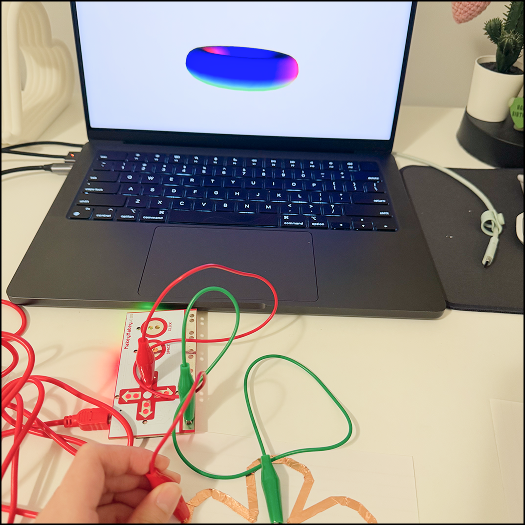
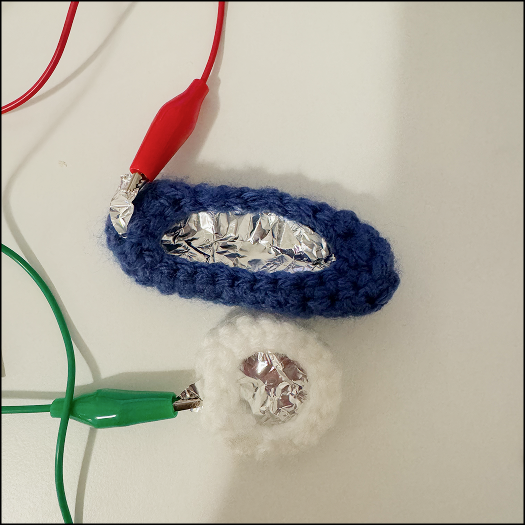
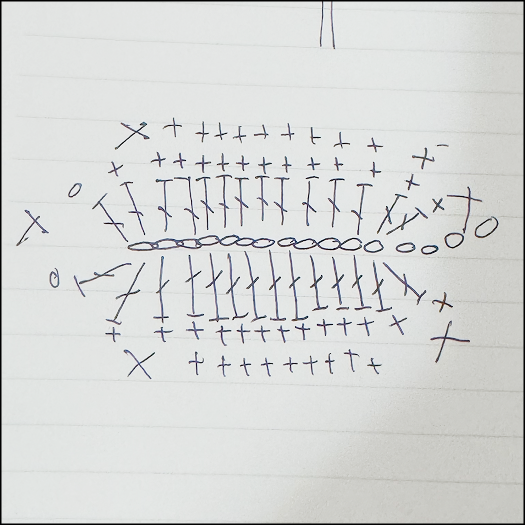
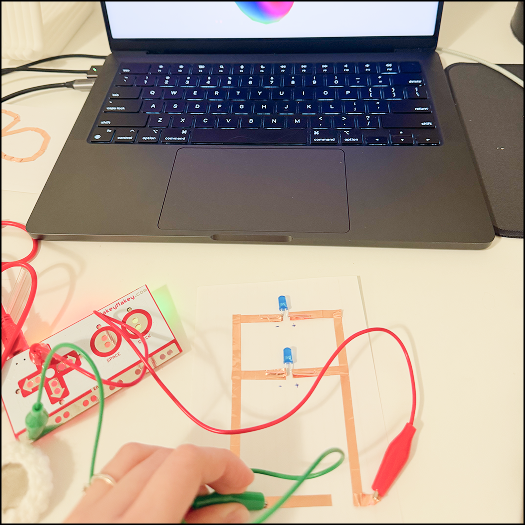
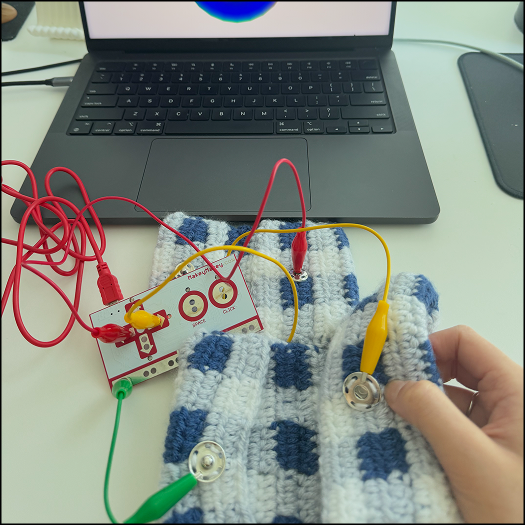
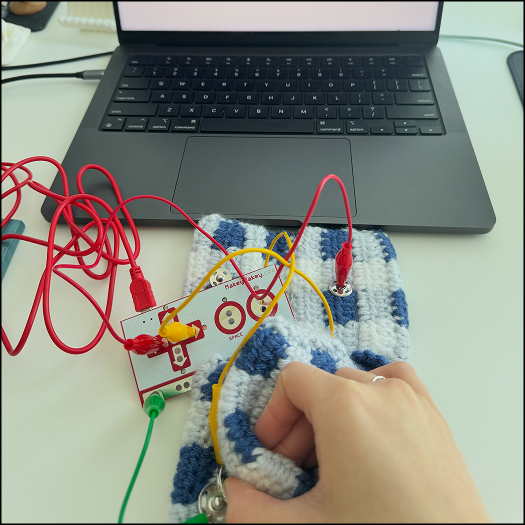
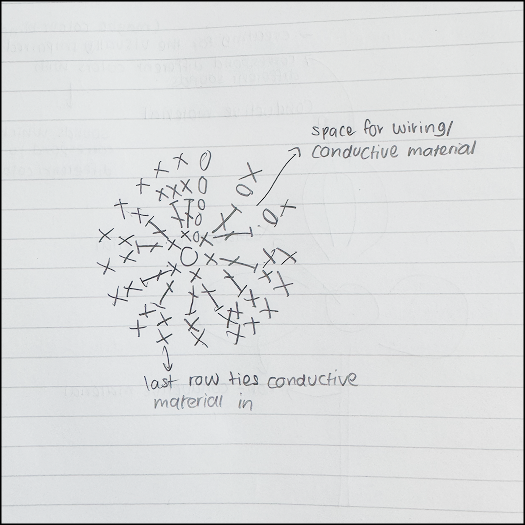
Creating a paper prototuype of flower design with conductive paint. Connecting conductive part of the paper to the makey-makey to test the bending motion and possible interactions with the petal and rounded shape. Starting to crochet flower petal by using double crochet as the main pattern. Planning the length of the crochet petal, leaving 2 chains to turn and allow the shape of the design to be rounded instead of rectangular. Sketching and planning the initial prototype of the flower concept. Finished petal shape, there is a third layer with tighter crochet pattern of single crochets to create a barrier which lets the conductive fabric stay inside. Conductive fabric is cut to the shape of the petal and placed inside of the petal. Crochet a circle shape for the inner part of the flower Adding a third layer on top to cinch the circle in and prevent the conductive fabric from popping out, space was left for the conductive fabric to peek through to attach to alligartor clips Both petal and inner circle have an opening for conductive fabric to attach to alligator clipss Testing the petal shape with the makey-makey and on a code from Module 3 activity 1 Testing both items in conjuction with each other Initial testing if conductive fabric could be attached to the alligator clips, depite this being possible i did notice prolonged use created wear and tear in the fabric expecially when pulled, sometimes the clips didn't perfectly clip on the fabric and would slip, making this a concern for future ptotoyping.Ï Testing the makey makey with conductive tape on card stock which is not conductive Testing if interaction could be triggered by pressing the conductive parts of the flower petal and circle together, while this succeeded it required a specific angle and pressing down with some force as the layer keeping the fabric in prevents them from touching easily. Cutting aluminium foil into the shape of previously crocheted shells. Testing the possibility of using aluminium foil as it creates a distinct texture anf rustling sound However, after repeated use the foil gradually breaks down and becomes prone to ripping Final pattern for the flower petal after adjustments to make the shape more rounded, namely increasing the stiches on the next layer coming from 1 space. Testing the makey makey with a circuit, circuit did not manage to light up Testing the potential of using grommets for the physical buttons Lightly touching them together worked, however its difficult for the alligator clips to find a space to latch on to Despite working, alligator clips kept falling off the prototype. Perfected pattern for the shape of the inner circular button, the hole is moved to the edge for the conductive material to peek through. Image of code used to test if the ptotoype was working, modified from Steve Module 3 Tutorial 1 and 2

Project 3


Final Project 3 Design

In this project, haptics covers a physical object that enables a manual interactions with a virtual environment coded in p5.js.
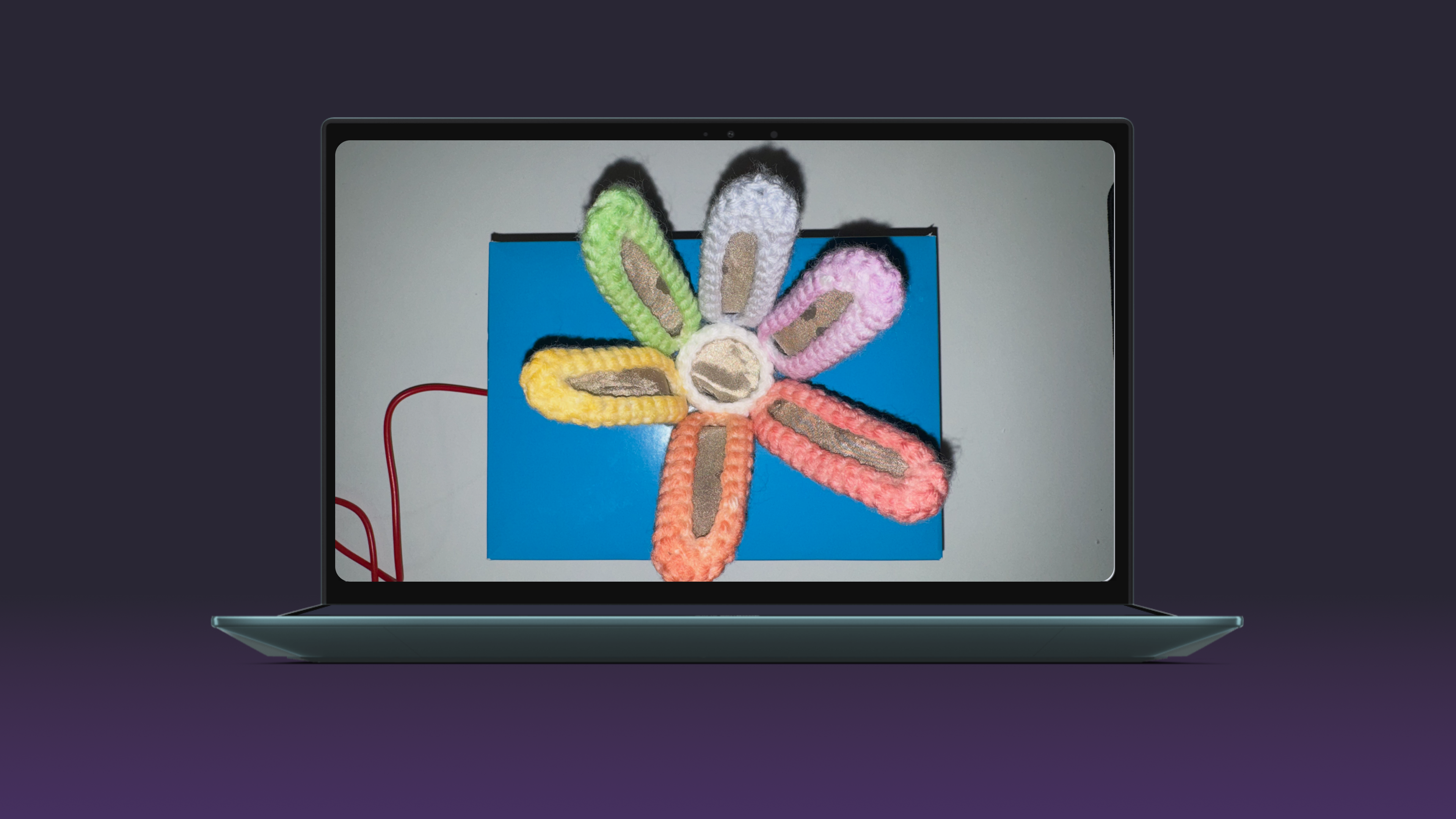
This is the link to the working code: http://hermanto.phoenix.sheridanc.on.ca/flower/
×

Powered by w3.css